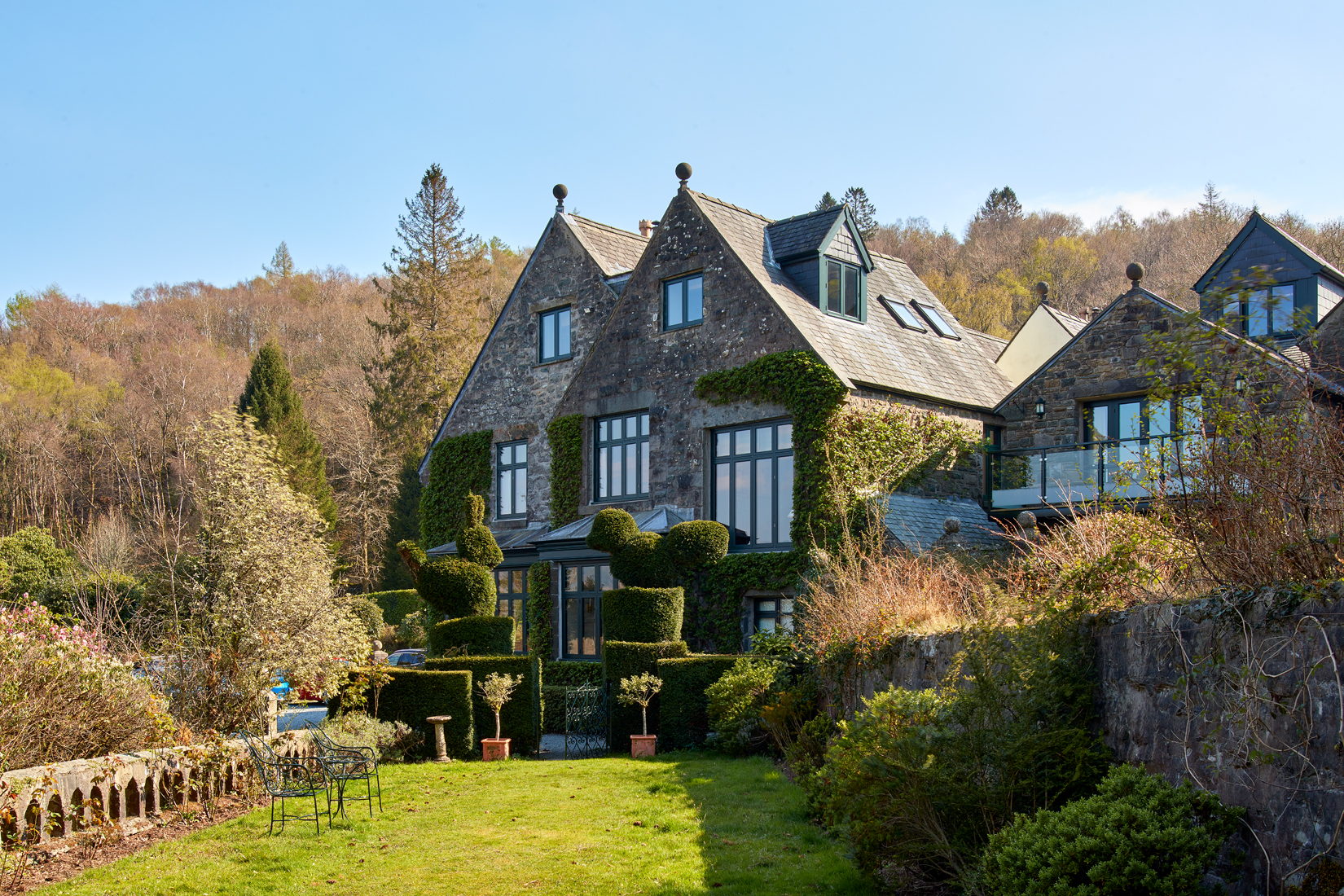
The House Beneath Cadair Idris
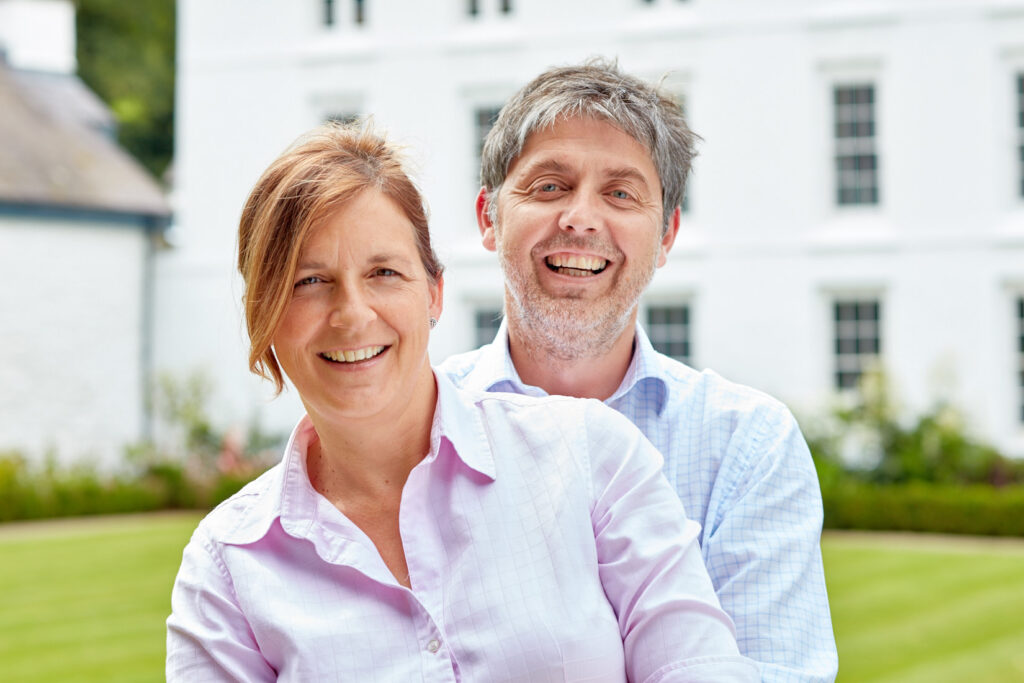
Neil Kedward shares his Penmaenuchaf story, and how one remarkable house became another place to call home.
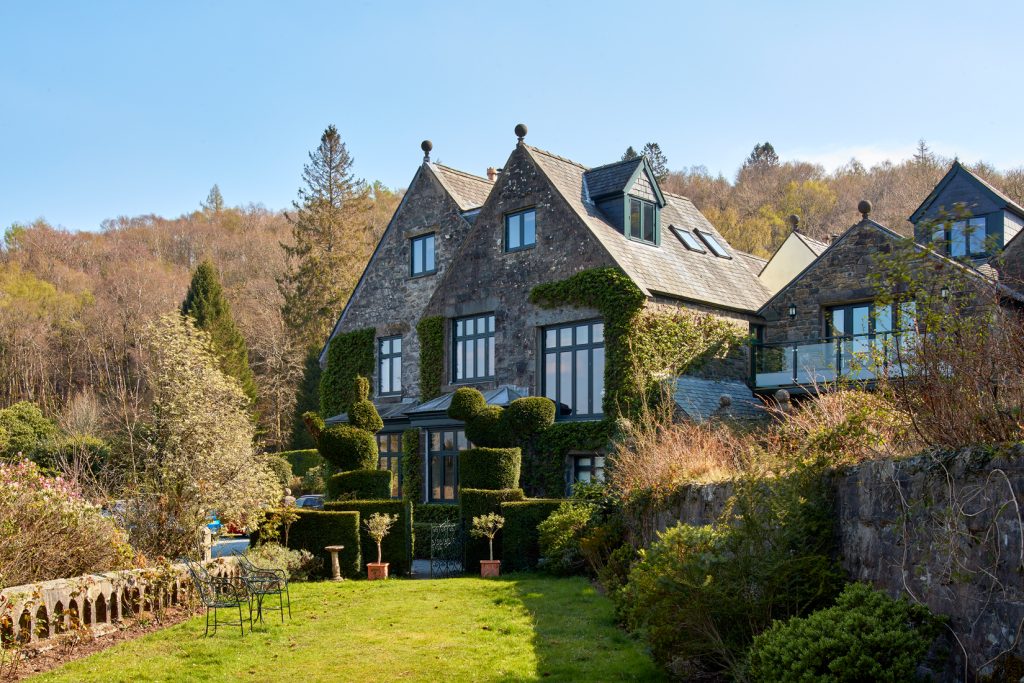
Some Places Stay With You
Some places stay with you. Not because you understand them, but because once you’ve experienced them, they begin to reveal why they matter.
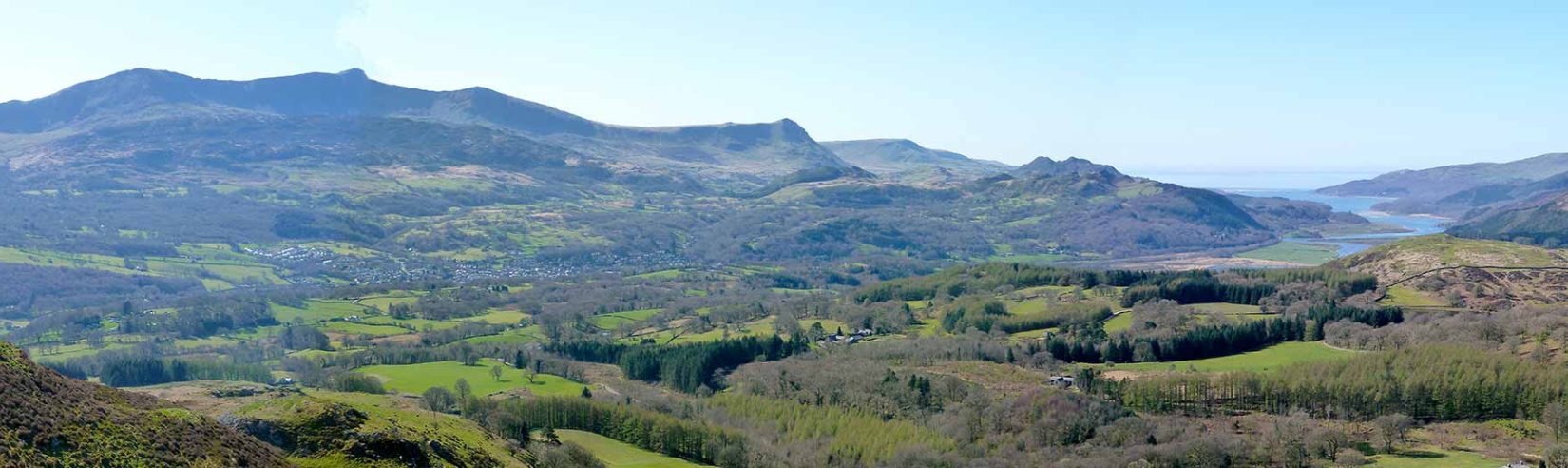
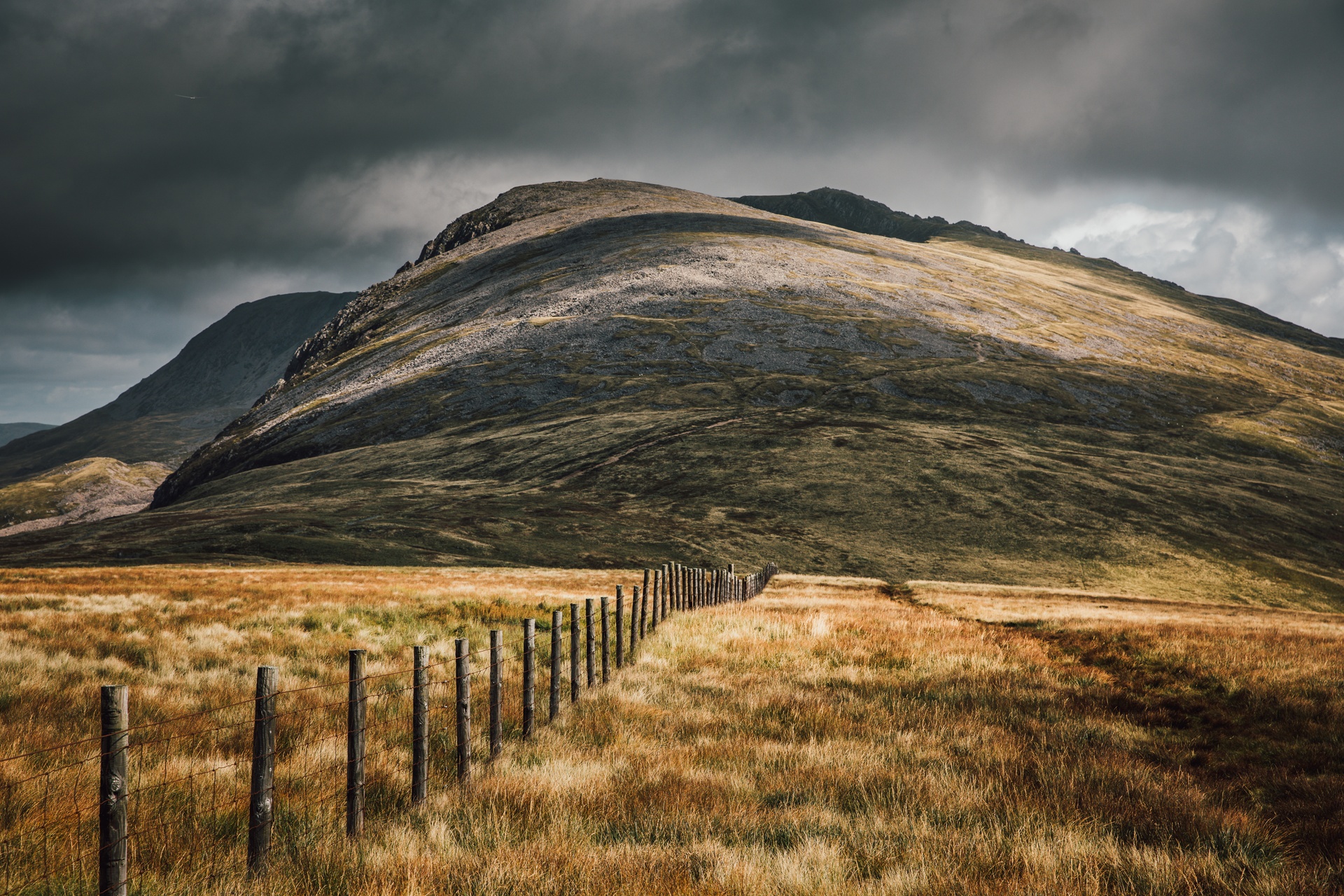
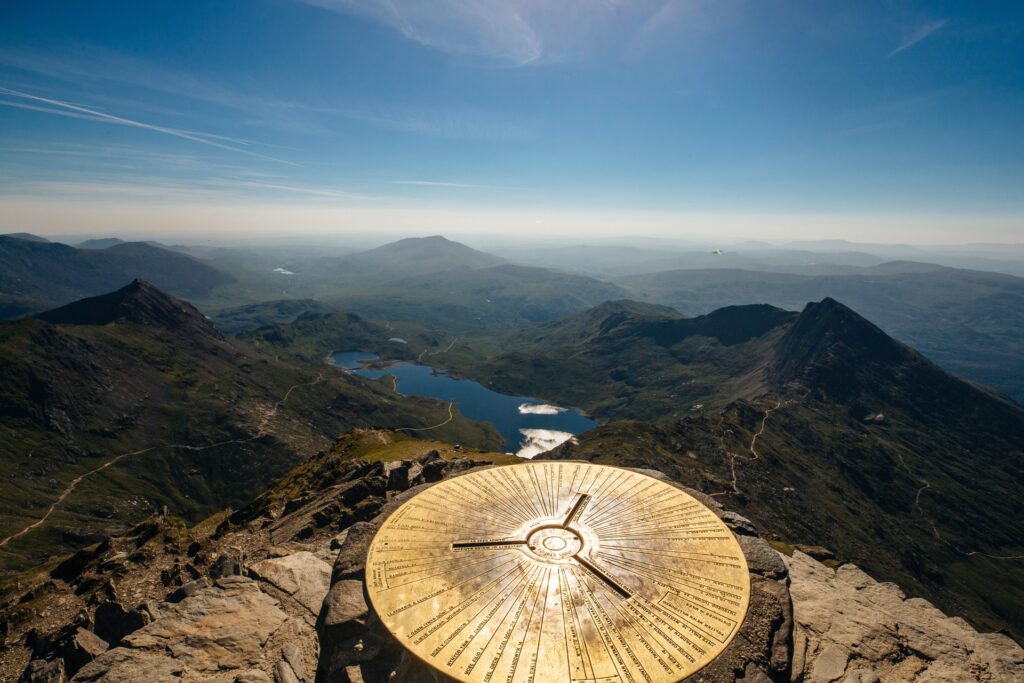
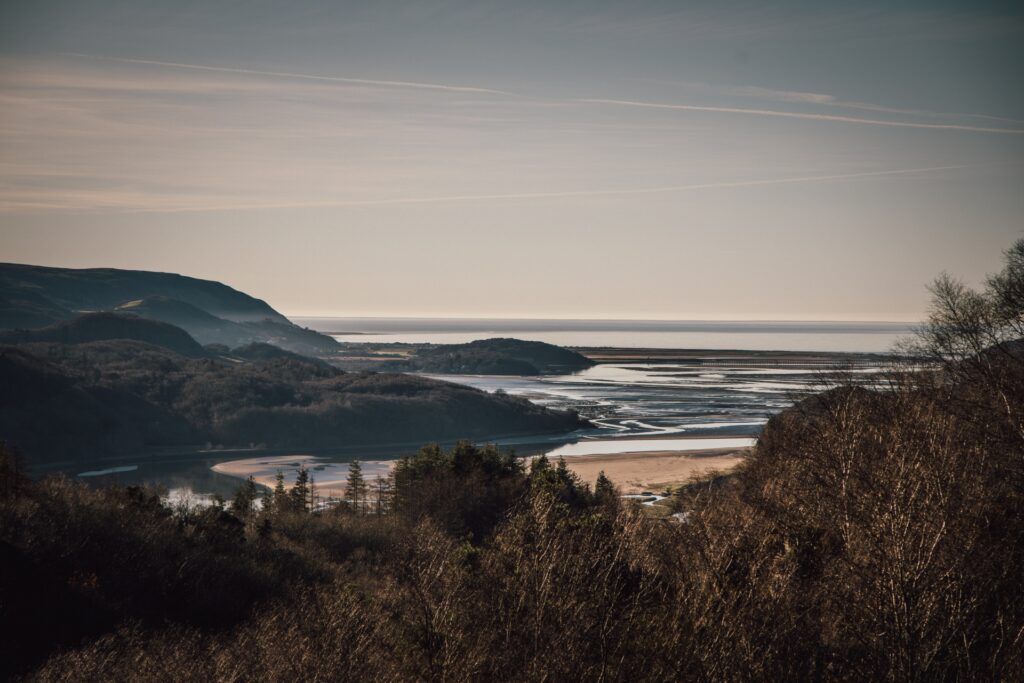
Long before Penmaenuchaf became part of Seren, my wife Zoë and I had come to know something of the landscape that surrounds it. The journey over Bwlch yr Oerddrws, the descent towards Dolgellau and the first glimpse of the Mawddach Estuary beneath the mountains of Eryri is one of the most beautiful drives in Britain. Every journey north seemed to slow us down long before we reached our destination.
Yet beautiful landscapes alone don’t explain why certain places stay with us.
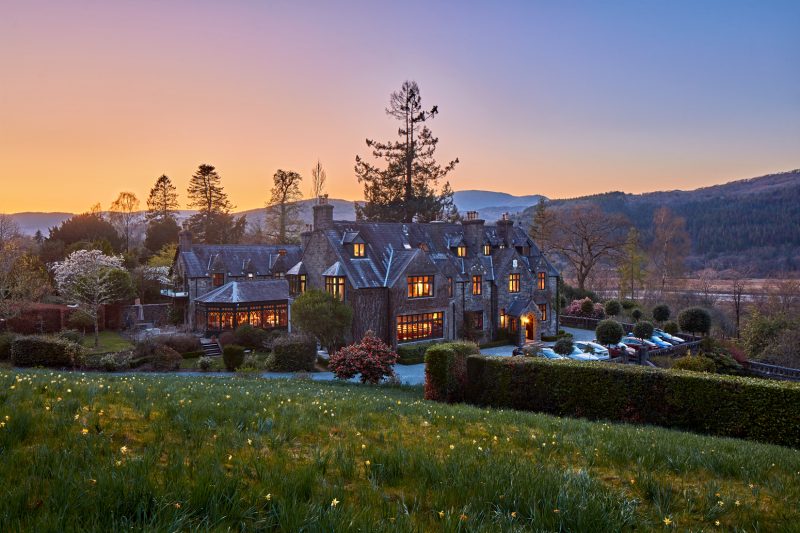
It wasn’t until we first arrived at Penmaenuchaf in the winter of 2022, that everything seemed to come together. The house gave that landscape a new meaning for us. There was work to do, of course, and much to learn, yet none of that was what stayed with us as we stood outside the house for the first time.
What stayed with us was the connection we both felt. It’s difficult to explain.
Penmaenuchaf felt like one of those moments.
Standing there that winter afternoon, it seemed impossible to separate the house from the landscape. It simply belonged beneath Cadair Idris. We drove home that evening talking about little else.
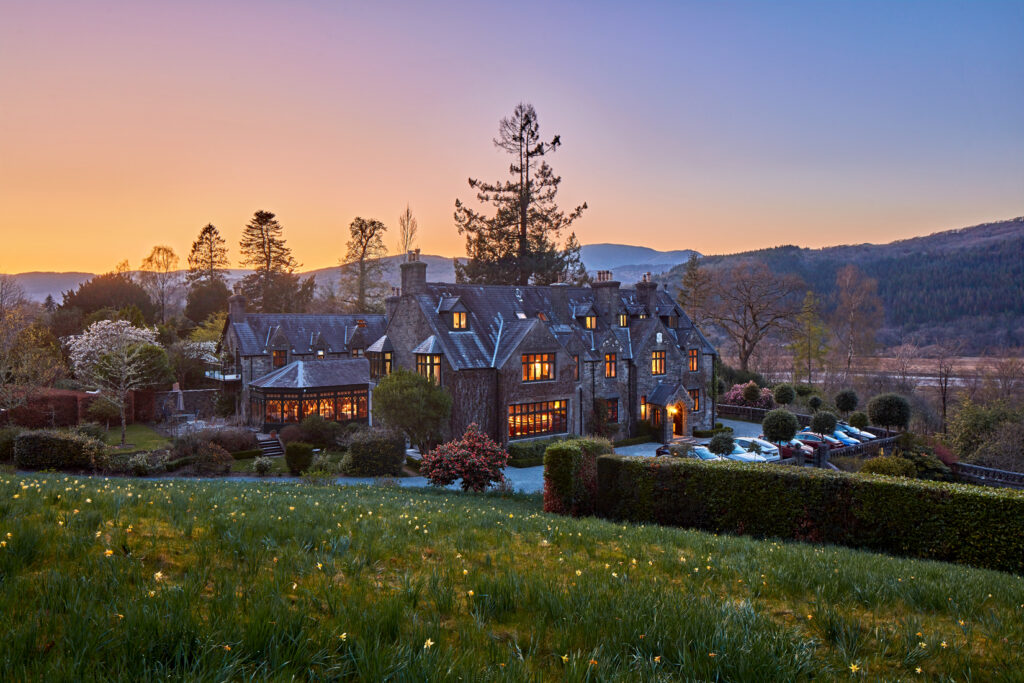
Halfway Home
We made our offer before we reached home. By then, the mountains of Eryri had given way to the rolling hills and coastline of Ceredigion and we were halfway home.
For the previous seven years, Zoë and I had been searching for the right opportunity to become Seren’s second hotel. Not because we wanted another hotel, we were looking for the right place.
Somewhere with history, character, and with a future we believed in.
We’d visited Penmaenuchaf with trusted members of our senior team, as we always do when considering a potential acquisition. We don’t make decisions by committee, but we value the judgement of people we trust. Their belief in the house only strengthened our own.
We didn’t need to convince one another. We all knew.
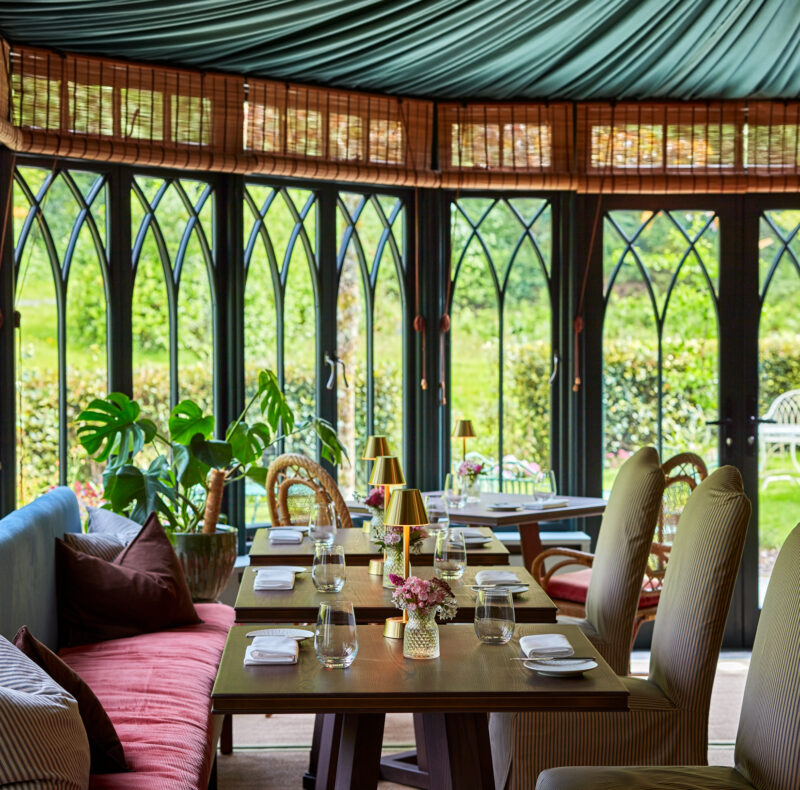
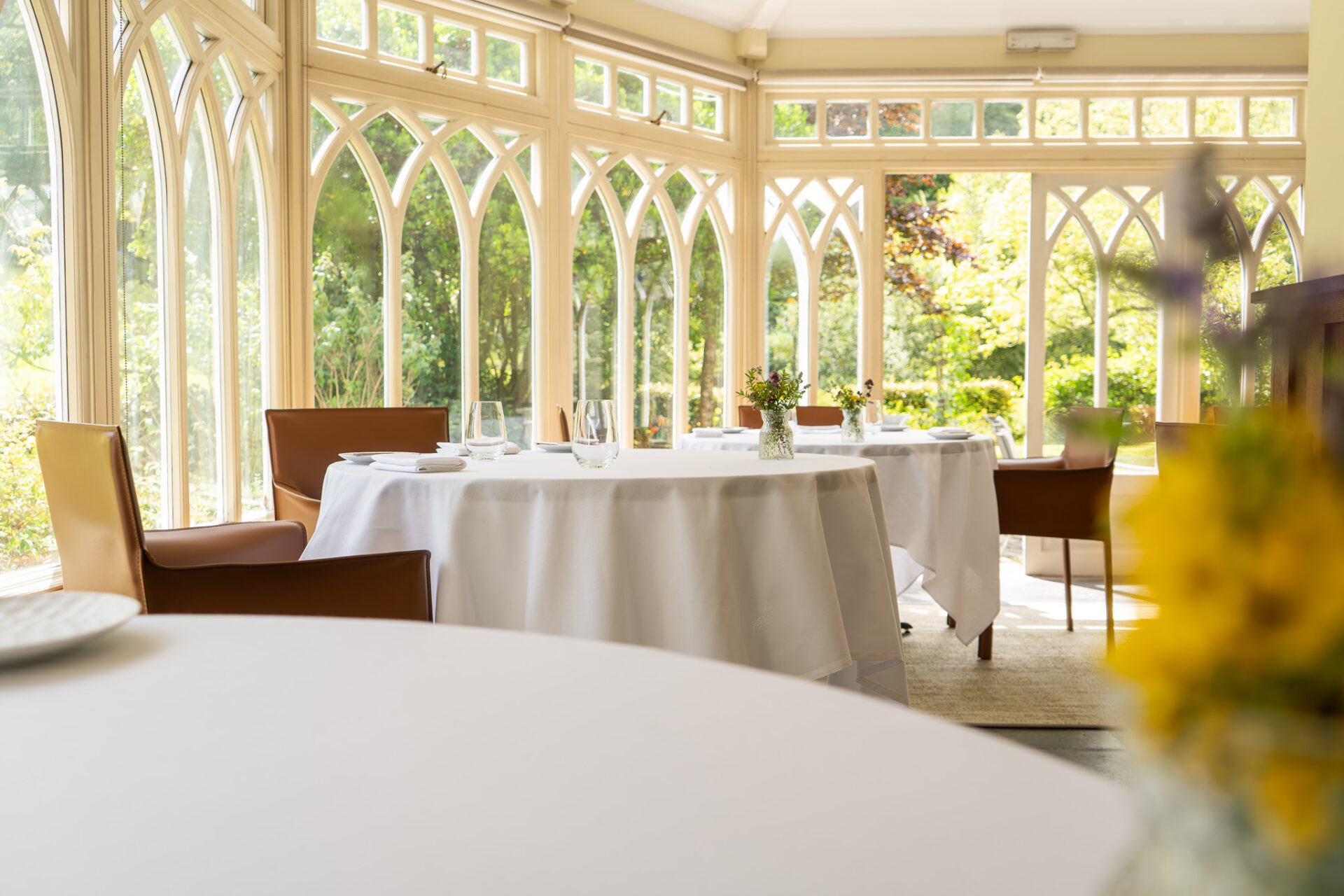
The conversation had already moved on and we found ourselves talking through the challenges, already mapping out solutions almost without realising it – how the bedrooms might work, how guests might experience their arrival, how the restaurant might become one of the defining spaces in the house.
Without really noticing it, we’d stopped asking ourselves whether we should buy Penmaenuchaf. We’d already started imagining what it might become.
More importantly, we’d found a house with a future we believed in. Only later did it become Seren’s second hotel.
Sometimes I think the house found us as much as we found it.
Working Together
The best ideas rarely belong to one person for very long.
In fact, Zoë and I sometimes playfully argue over whose idea something was in the first place. More often than not, after a few minutes, we realise it was neither of us.
Zoë and I naturally approach projects from different directions, and I think that’s one of our greatest strengths. My instinct is usually to begin with the building itself, thinking about how spaces work, how problems might be solved and how ideas can become reality. Zoë instinctively sees things through the eyes of the guest, constantly asking how a room will feel, how every detail contributes to the experience and whether we’re still being true to the original vision.
Those conversations rarely happened in meetings. More often, they happened over breakfast, walking our dogs Bronwen and Griff, driving across Wales or standing in the middle of a building site trying to solve the latest unexpected challenge.
But they were only ever one small part of a much bigger conversation. Builders, craftspeople, designers, colleagues and suppliers all challenged us to think differently. Some of the best ideas came from someone quietly asking a question nobody else had thought to ask.
Neither of us tried to do our designers’ jobs. Equally, Nicola and Sophie never tried to do ours. Everyone brought something different. That mutual trust made the ideas better. Instead, we kept talking.
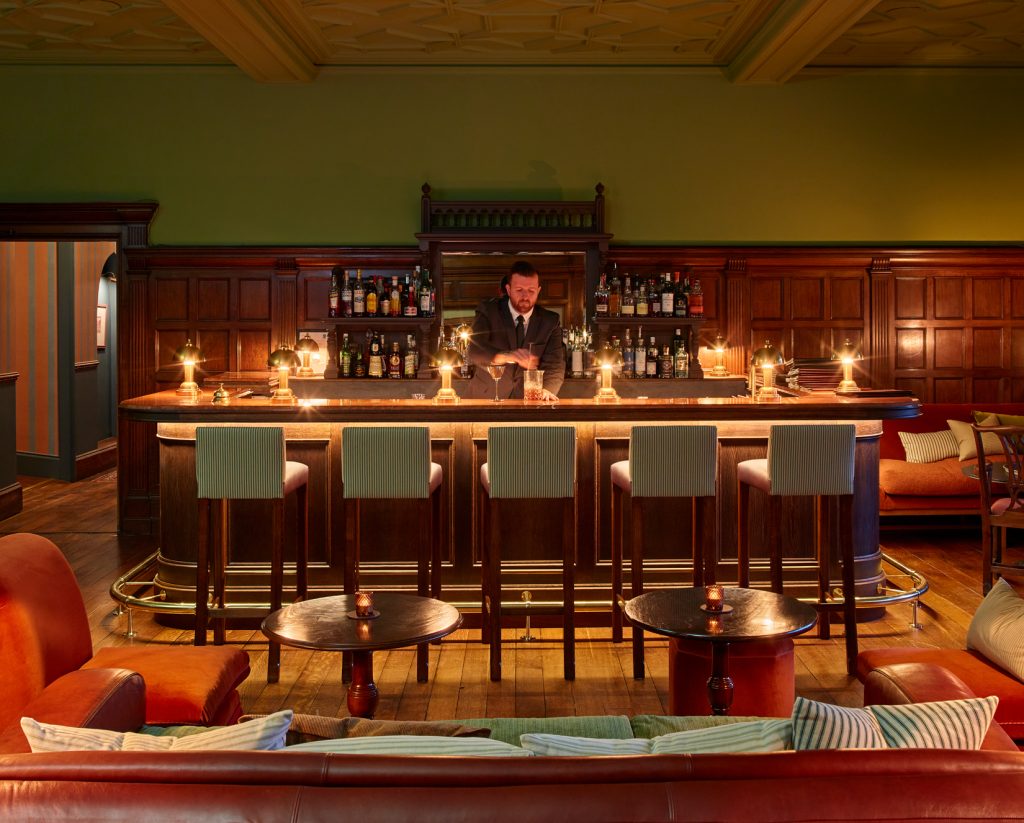
One of the earliest conversations centred on the bar.
The original bar had become much loved. It was comfortable, familiar and full of memories, so moving it into the main lounge felt like a significant step. Whenever people care deeply about a place, change naturally creates uncertainty. There were different opinions, plenty of discussion and moments when leaving everything exactly as it was would certainly have been the easier option.
Another conversation that lasted for months was whether we should retain an owners’ flat or create another guest suite?
Neither answer was obviously right and eventually we found a different solution altogether. Rhiannon became one of the defining rooms at Penmaenuchaf, while we discovered we needed far less space for ourselves than we’d originally imagined.
The kitchen prompted another conversation.
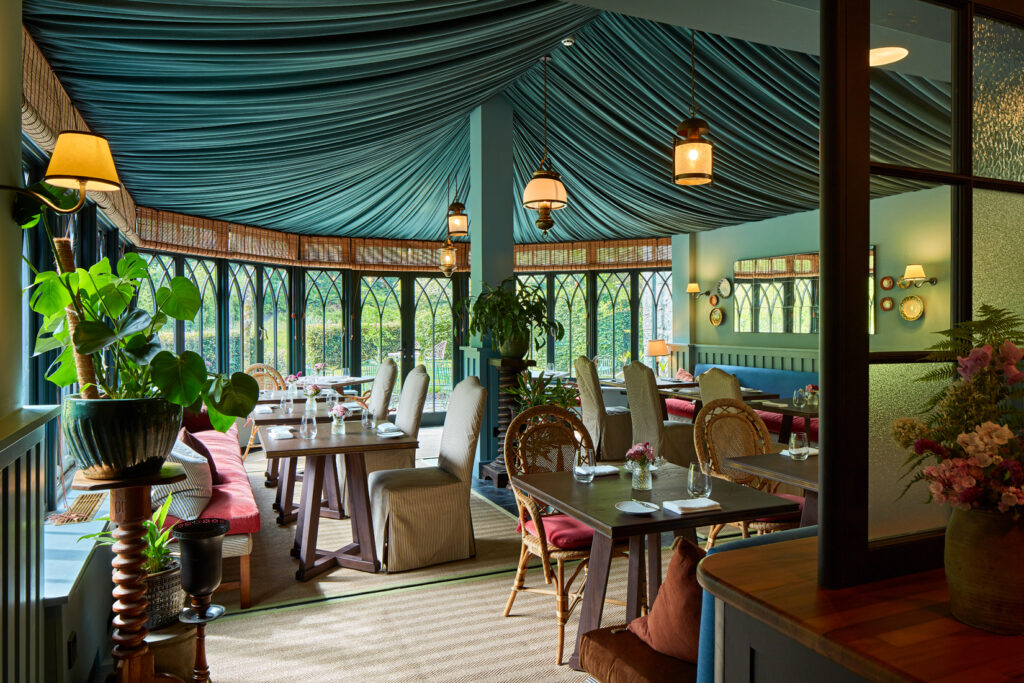
We chose to give more space to the people looking after our guests than to the guests themselves. It made the construction more complicated, but we instinctively believed exceptional hospitality begins behind the scenes.
The Music Room raised different questions.
Could we justify losing a private dining room? Would music drift into neighbouring spaces? Would guests actually use it? There were plenty of reasons not to do it, but we did it anyway. Today, it’s one of the rooms guests seem to enjoy most.
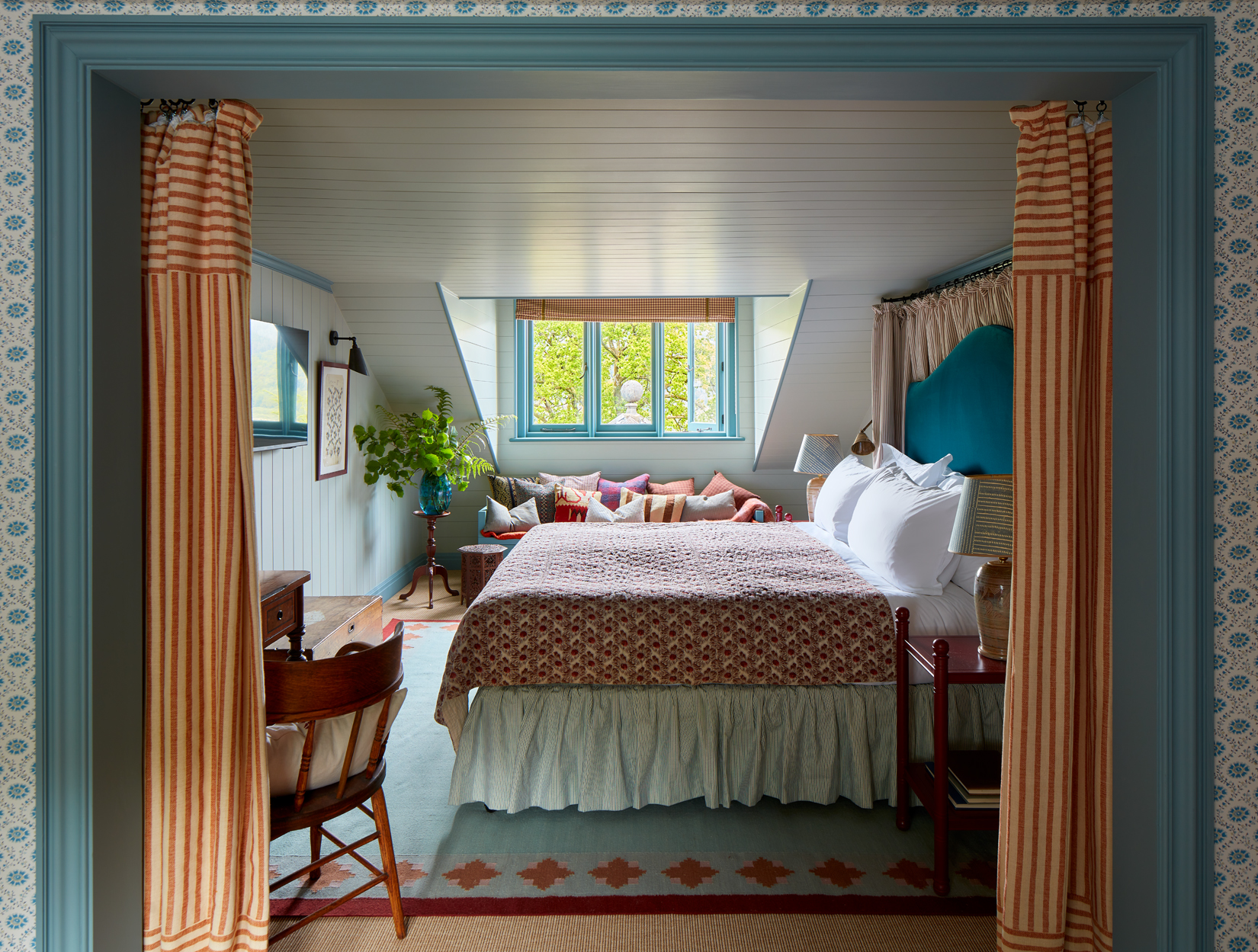
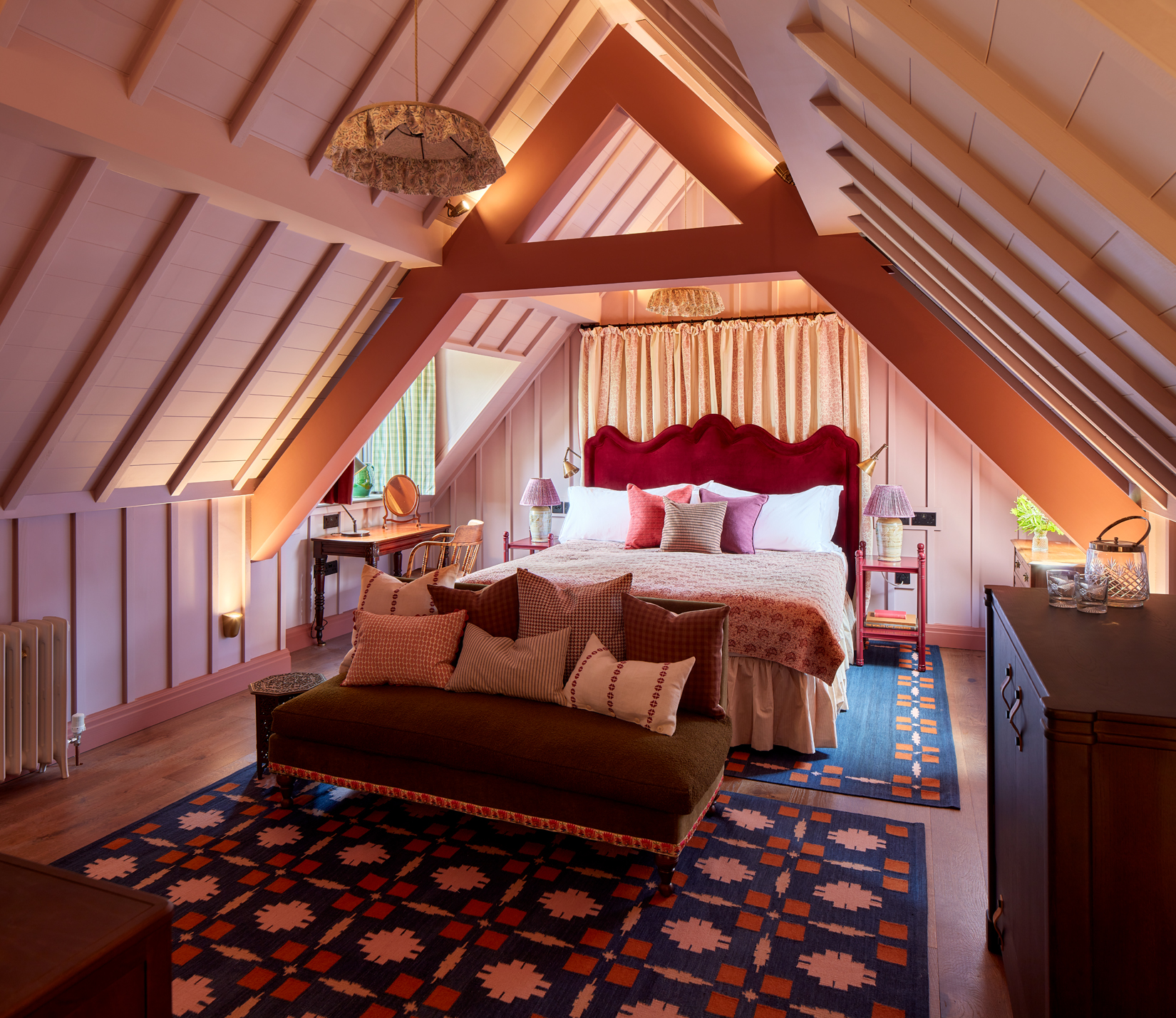
On the top floor we made another bold decision, reducing the number of bedrooms to create larger suites. It meant removing almost every internal wall and significantly increasing the complexity of the build. Looking back, none of us has ever questioned that decision.
One thing Penmaenuchaf reinforced for us was never to become too attached to the first idea.
We worked hard to make good decisions from the beginning. But every so often another conversation, another suggestion or another challenge uncovered a better answer. Those moments weren’t always comfortable, as changing direction rarely is.
Looking back, some of the decisions we’re happiest with were the ones that asked us to rethink something we’d already started. They usually turned out to be the better decisions.
Curiosity
One of the unexpected pleasures of Penmaenuchaf was the journey there itself.
The drive between home and Dolgellau never became something we simply endured. Quite the opposite, it became part of the rhythm of the project.
Zoë and I have always been explorers. It’s one of the things that has shaped our lives together. Whether we’re travelling across Wales or much further afield, we’ve rarely been very good at driving past an interesting village, an antique shop, a gallery or a place we’ve never visited before. Penmaenuchaf simply gave us another part of Wales to explore and another reason to slow down.
One afternoon, I wandered into a small bookshop in Machynlleth. I wasn’t looking for anything in particular. At least, I didn’t think I was.
Within a few minutes I realised there was something special about the place. It wasn’t simply the books, it’s what the bookshop represented.
There was thoughtfulness on every shelf, warmth in every recommendation and a genuine sense of curiosity running through the entire space. Welsh history and mythology sat alongside contemporary writing, politics, adventure, creativity, conservation, fiction and Welsh language texts. It wasn’t trying to tell people what to read. It quietly invited them to discover something they might never have found for themselves.
I walked straight back out to find Zoë, who was happily exploring a nearby antique shop.
“You’ve got to come and see this.” She understood immediately.
For months we’d been wondering how to fill the library at Penmaenuchaf, but we suddenly realised we’d been asking the wrong question. It wasn’t how to fill shelves, it was how to inspire curiosity.
That afternoon quietly changed everything. The bookshop didn’t just give us a new idea, it helped us realise how that same spirit of curiosity could become part of the everyday life of the house, not just its design.
The library became much more than another room. It became a place that reminded us to stay curious.
Only later did we come to know Geoff Young and Diane Bailey, whose values had first drawn us to their little bookshop. It felt entirely natural to ask whether they would help us create the library at Penmaenuchaf.
To our delight, they said yes.
What has been especially rewarding is that they haven’t treated it as a project to complete. They have treated it as something to nurture. Every book is carefully considered. Every new addition has a purpose.
They’ve taken the time to find their own rhythm, and the library is richer because of it. The next selection of books will arrive soon and, if I’m honest, Zoë and I are as excited as we were the day we first walked into the bookshop.
The same thing is quietly beginning to happen in the Music Room.
As we’ve lived with the house, we’ve found ourselves returning to the albums that have shaped our own lives and memories. Those records are naturally becoming part of the collection because they’re part of our own journey. Alongside that, we’ve been fortunate to get to know Stephen Pilkington at Retro Vintage Vinyl in Dolgellau, whose enthusiasm and knowledge are already encouraging us to listen more widely and discover artists we might otherwise have overlooked.
The library and the Music Room are still evolving. I hope they always will.
The refurbishment may now be complete, but Penmaenuchaf never really will be.
Another place to call home
One of the questions we’re often asked is how we’ve managed a project almost three hours from home. The answer often surprises people.
Distance was something we thought about carefully before buying Penmaenuchaf. We were already responsible for Grove of Narberth, Beach House, Lan y Môr, Routescape and a growing number of other commitments. Like anyone taking on something new, we wondered whether we were stretching ourselves too far.
I think we were asking the wrong question.
The real question wasn’t whether we could manage the distance. It was whether Penmaenuchaf was worth making part of our lives.
It quickly became clear that it was. The drive north never became a chore. It became part of our lives.
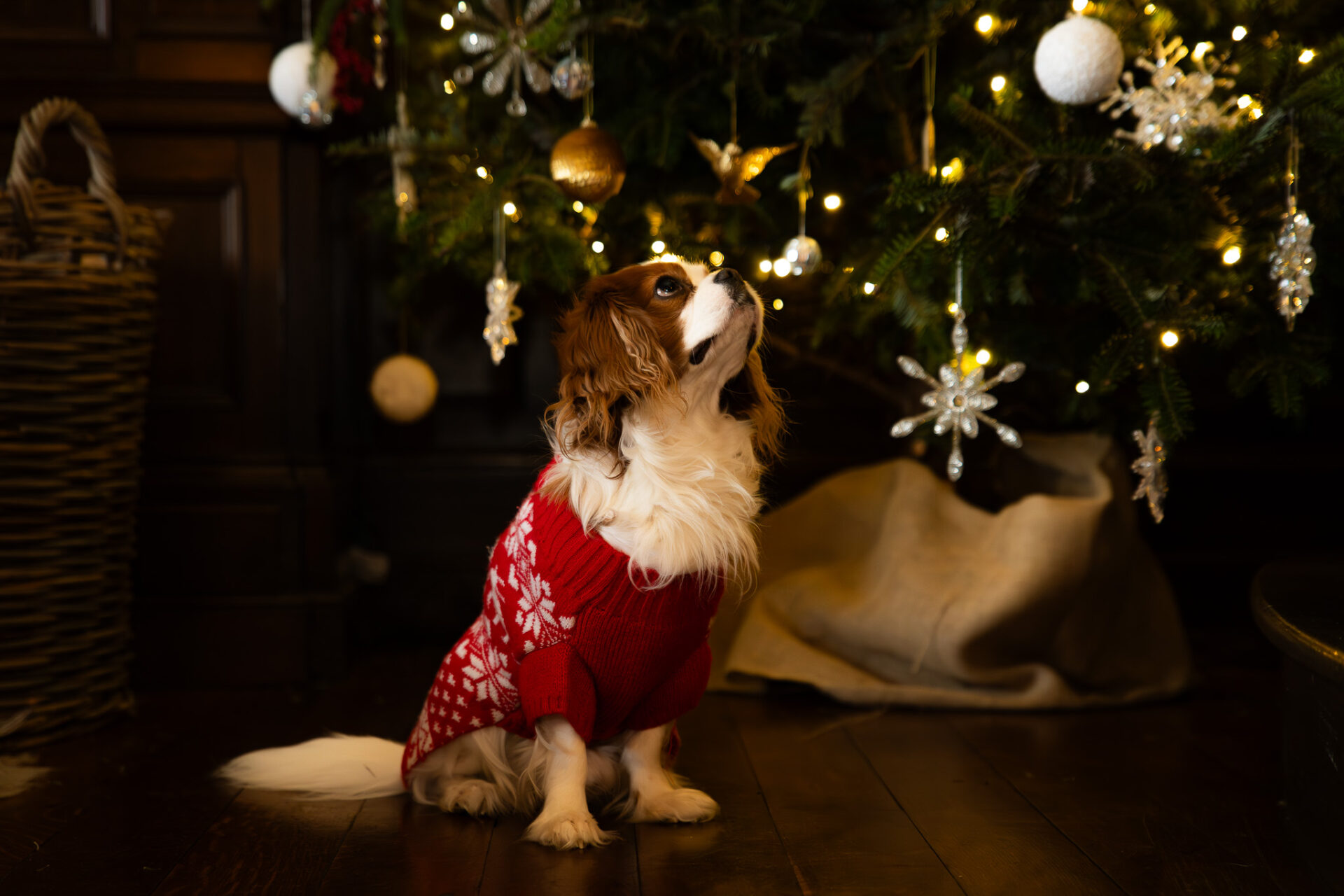
Our two dogs, Bronwen and Griff, quickly learnt the route too. Long before we arrived, they’d be sitting up, watching the changing landscape through the windows, somehow sensing where we were heading. Like us, they seemed to know another adventure was about to begin.
Penmaenuchaf simply gave us another part of Wales to fall in love with.
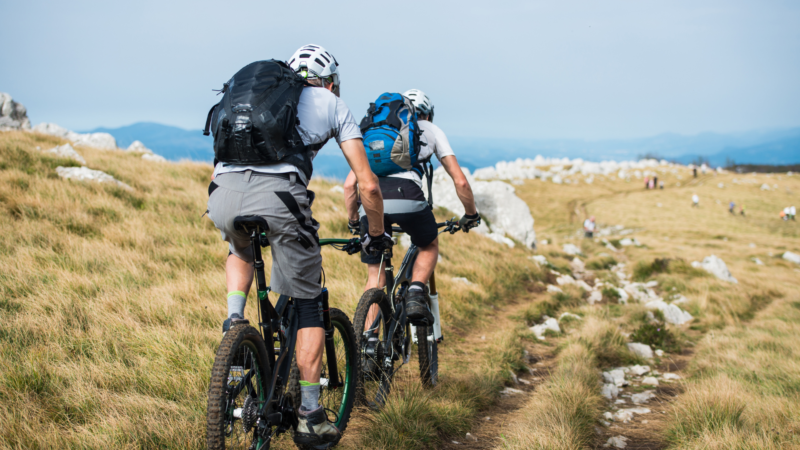
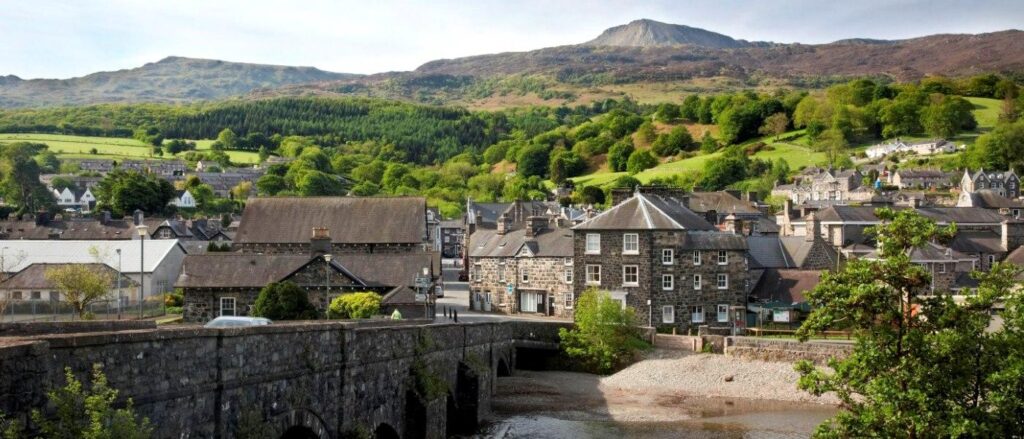
We spent countless evenings walking beside the Mawddach Estuary, climbing into the mountains, discovering forgotten castle ruins, wandering through hidden valleys and finding little cafés, galleries, antique shops and villages we might otherwise never have visited.
Somewhere along the way, our estuary stopped feeling like somewhere we worked. It started feeling like somewhere we belonged. Perhaps more importantly, it introduced us to remarkable people.
One of our greatest concerns before buying Penmaenuchaf was whether we would find the same quality of people we’d been fortunate enough to work alongside in Pembrokeshire.
We needn’t have worried.
Many of the existing team chose to stay and became an important part of Penmaenuchaf’s next chapter. Alongside them, we found builders, craftspeople and suppliers who took enormous pride in their work. It reminded us of the values we’d always admired in West Wales. There’s a quiet honesty and generosity in the people we’ve been fortunate enough to meet. They cared deeply about doing a good job.
Those relationships have become every bit as important as the building itself.
As the project evolved, there were periods when Zoë and I effectively lived in North Wales, running much of the wider business remotely while spending long days on site.
Instead, it became one of the unexpected gifts of the project. Not because of the house, but because of the people who had welcomed us into this corner of Wales. Our lives are richer for having become part of it.
Looking back, I sometimes smile when people describe Penmaenuchaf as our “North Wales hotel.”
Of course it is. But to Zoë and I, it’s become something much more than that. It’s become another place to call home.
When the House Came Alive
There comes a point in every project when the noise finally stops, the contractors leave, the deliveries end, and the dust settles.
For the first time in years, there’s nothing left to build.
Only a few days after we completed the refurbishment at Penmaenuchaf, a group of guests from across the United States arrived to experience Wales. They had chosen to take over the house exclusively as part of a carefully curated journey through the country, continuing afterwards to Grove of Narberth.
These were exactly the sort of guests we’d always hoped Penmaenuchaf might welcome.
Curious people. People who had travelled not simply to stay in a beautiful hotel, but to experience the landscapes, culture, music and stories that make Wales such an extraordinary country.
Zoë and I were invited to spend a little time with the group and share a small part of our own story. Later that evening they gathered in the lounge for a private performance by renowned Welsh harpist Catrin Finch.
As the music began, we quietly slipped onto the steps that lead from the lounge into the restaurant. From there we could see everything. We watched Catrin, we watched the guests, we watched the room.
For the first time since work had begun, Penmaenuchaf no longer felt like a project. It simply felt like a house doing exactly what it had been waiting to do.
The colours of the lounge reflected Wales itself. Deep greens, warm reds and soft creams that never sought to announce themselves, only to belong. As Catrin’s harp filled the room, it felt as though the music belonged there too. Nothing felt staged. Nothing felt contrived. Everything simply settled into place.
The guests sat in complete silence. Some closed their eyes, others simply smiled. Nobody wanted to interrupt the moment, and neither did we.
Zoë and I said very little. We didn’t need to. After four years of drawings, decisions, deliveries, long journeys north and countless conversations, we simply sat together watching people experience the house.
Not as we imagined it, but as it had become.
I don’t think either of us felt proud. The overwhelming feeling was actually of gratitude.
Gratitude to everyone who had helped shape Penmaenuchaf’s next chapter. To the remarkable team who bring it to life every single day. To all those whose care can still be seen throughout the house. To everyone who had believed in the project long before it looked anything like it does today.
More than anything, though, we felt privileged.
Privileged simply to sit quietly on those steps and watch people enjoying the house. As we watched Catrin, the guests and our team sharing that evening, it felt as though the house was gently revealing what it had become. Not just that night, but for years to come.
For the first time, we weren’t imagining possibilities anymore, we were watching them unfold in front of us.
Buildings matter. Design matters. Food matters. Music matters. Books matter.
None of them mean very much without people.
We left Penmaenuchaf that evening feeling deeply grateful. Grateful to everyone who had travelled with us over those four years. Grateful that the house had found its rhythm.
Most of all, grateful that its future would continue to be written by the remarkable people who would fill it with warmth, curiosity, conversation, music and laughter for many years to come.
Tomorrow
People sometimes ask Zoë and I what comes next.
The truthful answer is that we don’t know. We’ve learnt not to force these things.
Looking back over the past twenty years, the most important chapters of our lives have rarely been planned. More often than not, they’ve begun with a place, a conversation or an opportunity that simply felt right.
Penmaenuchaf was one of those moments.
Completing the project hasn’t felt like the end of a journey. If anything, it has reminded us why we began.
Perhaps the greatest gift Penmaenuchaf has given us isn’t another beautiful house. It’s another place where we belong.
Along the way, it has also reminded us to trust our instincts, to stay curious. And that when we’re surrounded by people who care, extraordinary things really can happen.
One of the greatest privileges of the past four years has been getting to know another corner of Wales a little better.
We’ve met wonderful people, learnt from them and, over time, been welcomed with extraordinary kindness. We hope we’ve earned a small place in their story, just as they have undoubtedly become part of ours.
That trust is something we’ll never take for granted.
Perhaps that’s why completing Penmaenuchaf doesn’t feel like an ending at all. It simply feels like another beginning.
Zoë and I often smile that we’ve never been more excited about getting up in the morning.
There are still places we’d love to discover, stories we’d love to hear, people we’d love to meet.
If another remarkable place crosses our path one day, we’ll know.
Until then, we’ll continue caring for the places and people who have already entrusted us with their future.
For now, that’s more than enough.